
Using Apps and Gadgets to Stay Ready for Any Emergency
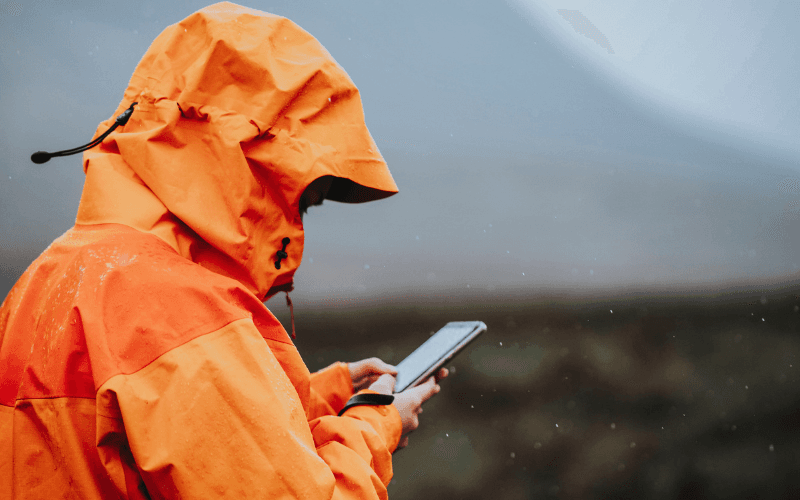
In an emergency, being prepared can mean the difference between survival and disaster.While traditional skills like fire-starting and navigation remain essential, technology has become a powerful ally in modern survival. From advanced gadgets to cutting-edge apps, leveraging the right tools can enhance your preparedness and provide critical support during a crisis. Here’s a deep dive into how technology can become your ultimate survival partner.
How Technology is Revolutionizing Survival
Technology isn’t just about convenience—it’s a game-changer for survival planning. Gadgets like portable solar chargers and apps that function offline offer solutions to challenges that would have seemed insurmountable just a decade ago. These tools provide precision, real-time updates, and access to knowledge that even seasoned survivalists find invaluable.
Most importantly, many of these resources are affordable or free, ensuring that anyone can integrate tech into their emergency preparations without breaking the bank.
Must-Have Apps for Survivalists
- Emergency Alerts and Weather Tracking
- Apps like FEMA, Red Cross Emergency, and AccuWeather offer real-time alerts for natural disasters, severe weather, and evacuation orders.
- Little-Known Tip: Some apps allow customizable alerts based on your location, ensuring you receive notifications even if you’re traveling or off-grid.
- Offline Navigation Tools
- Examples: Gaia GPS, Maps.me, and AllTrails.
- These apps allow you to download topographic maps and plan routes without relying on cell service.
- Valuable Insight: Some apps like Gaia GPS let you layer weather patterns over your maps, a feature overlooked by many users.
- First Aid and Medical Assistance
- Apps such as First Aid by American Red Cross and St. John Ambulance provide step-by-step instructions for handling injuries, from burns to fractures.
- Lesser-Known Benefit: They also include advice for scenarios like treating hypothermia or using improvised medical tools.
- Survival Skill Guides
- Apps like SAS Survival Guide and Survival Manual Offline are packed with wilderness survival tactics.
- Unique Value: Some include audio instructions and illustrations to guide you through tasks like building traps or identifying edible plants.
High-Tech Gadgets for Survival
- Portable Solar Chargers
- Devices like the Goal Zero Nomad Solar Panel can recharge your gadgets even in remote areas.
- Insider Tip: Combine a solar charger with a high-capacity power bank to store energy for nighttime use.
- Satellite Communicators
- Gadgets like the Garmin inReach Mini allow you to send texts or SOS signals without cell service.
- Added Value: Many models include tracking features, letting trusted contacts monitor your location in real-time.
- Thermal Cameras or Night Vision Gear
- Tools like the FLIR ONE Thermal Imaging Camera enhance visibility in low-light or smoky conditions.
- Lesser-Known Use: Thermal cameras can also help locate people or animals hidden behind foliage or debris.
- UV Water Purifiers
- Compact gadgets like SteriPen use UV light to purify water in minutes.
- Pro Insight: They’re ideal for emergencies since they work without adding chemicals or altering water taste.
- Multifunction Watches
- Models like the Garmin Fenix or Casio G-Shock Rangeman include GPS, altimeters, and barometers.
- Bonus Feature: Some watches sync with your phone to log routes and monitor weather changes.
How to Integrate Tech into Your Survival Plan
- Battery Management: Carry spare batteries, power banks, or solar chargers to keep your devices operational during outages. Look for power banks with pass-through charging so you can charge your bank while using devices.
- Test Before You Need It: Familiarize yourself with apps and gadgets before an emergency. Download offline maps, test signal strength, and practice using tools like satellite communicators.
- Offline Preparedness: Download maps, guides, and alert systems to function without internet access. Some apps even offer offline medical guides, a lifesaver if connectivity fails.
- Redundancy is Key: Always have a low-tech backup. A paper map or printed first-aid guide is invaluable if your gadgets fail.
Balancing High-Tech and Low-Tech Skills
While tech offers incredible advantages, it’s not infallible. Batteries die, devices fail, and EMP events can render electronics useless. That’s why a balanced approach is crucial. Combine your tech tools with core survival skills like starting a fire, navigating with a compass, and purifying water manually. Technology should enhance your preparedness, not replace foundational knowledge.
Conclusion
The modern survivalist has more tools at their disposal than ever before. By integrating apps and gadgets into your preparedness strategy, you can stay informed, connected, and ready for almost any scenario. Start small: download a few key apps, invest in a reliable gadget, and test