
Surviving the Unthinkable: What to Do When a Building Collapses
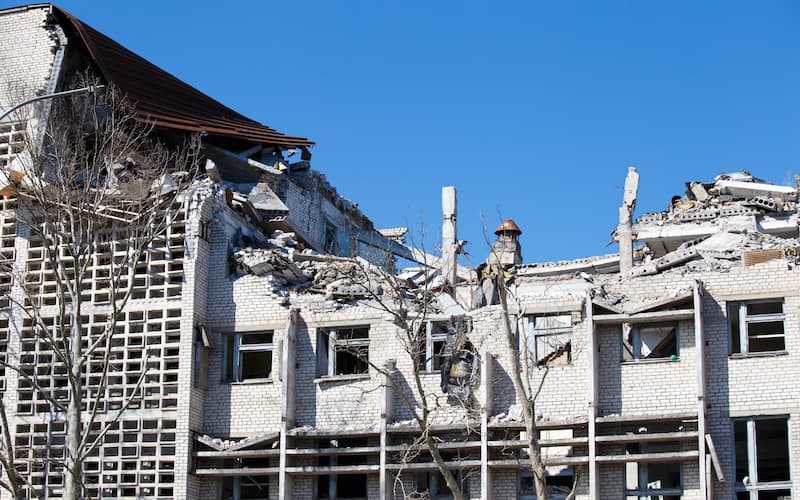
For many, the thought of being trapped in a collapsed building is a nightmare scenario. Whether caused by an earthquake, explosion, or structural failure, being caught beneath rubble is both terrifying and life-threatening. Yet history shows that survival is possible with the right mindset and preparation.
Knowing how to respond in such a crisis can mean the difference between life and death. Effective actions and a calm, focused approach are crucial for increasing your chances of making it out alive.
Assess Your Condition and Stay Calm
The first moments after a building collapse are crucial. If you regain consciousness, take a moment to assess your injuries. Check for bleeding, broken bones, or difficulty breathing. Stay calm. Panic will only make the situation worse and waste precious oxygen. If you’re pinned under debris, avoid sudden movements that could further collapse your surroundings or worsen your condition.
- Listen carefully to your surroundings for rescuers, other survivors, or shifting rubble.
- If possible, call out softly or tap gently on nearby surfaces to alert others to your presence.
- Avoid shouting to conserve air and energy.
Minimize Dust Inhalation
Dust inhalation can severely damage your lungs. Breathing in fine particles from concrete, drywall, and insulation can lead to respiratory issues and even suffocation over time.
- Cover your mouth and nose with fabric—clothing, a handkerchief, or debris—and dampen it if possible.
- Stay low, as dust tends to rise, to reduce exposure.
Conserve Energy and Air
Oxygen is a limited resource in a confined space, so conserving air is critical.
- Limit unnecessary movement and talking.
- Take slow, steady breaths and focus on staying calm.
- Use rhythmic tapping on metal pipes or walls to signal rescuers instead of shouting.
Create a Breathing Space
If debris is pressing against your chest or face, creating a small breathing space can be lifesaving.
- Carefully shift small pieces of rubble to open up space around your head and chest.
- Use solid objects like bricks or boards to prop up debris and prevent further collapse.
- Move cautiously to avoid destabilizing your surroundings.
Secure Water
Dehydration can become a serious threat if you’re trapped for an extended period.
- Look for alternative moisture sources, such as condensation on metal surfaces or damp materials.
- Sip water sparingly to ration your supply and extend its availability.
Stay Warm
In colder conditions, hypothermia can pose a significant risk to your survival.
- Use extra clothing, newspapers, or rubble to insulate yourself and trap body heat.
- Huddle with other survivors to share warmth.
- Stay dry to prevent rapid heat loss.
Prepare to Signal Rescuers
When you hear rescuers nearby, it’s important to signal your location effectively.
- Use rhythmic tapping—three quick taps followed by a pause is a recognized signal for help.
- Reflect light through openings in the rubble using mirrors or glass.
- Wave brightly colored fabric through visible gaps to catch rescuers’ attention.
Stay Mentally Focused and Resilient
Surviving a collapsed building isn’t just a physical challenge—it’s a mental one.
- Maintain a positive and focused mindset to avoid poor decisions and wasted energy.
- Break the ordeal into manageable timeframes, focusing on getting through each hour.
- Set small mental goals to keep morale high and prevent feeling overwhelmed.
Build a Support Network
Preparation beforehand can improve everyone’s chances of survival in shared spaces.
- Discuss emergency plans with neighbors, coworkers, and family members.
- Pool resources and skills with others to improve morale and increase survival chances.
Conclusion
The thought of being trapped in a collapsed building is frightening, but survival is achievable with the right knowledge, mindset, and preparation. Disasters can strike without warning, but those who remain calm and prepared in the midst of chaos have the greatest chance of making it through. Stay focused, stay resilient, and be ready to face whatever challenges come your way.