
Hunting and Trapping Basics for Long-Term Survival
Securing food is a top priority when it comes to long-term survival. While stockpiling rations can sustain you for a time, hunting and trapping offer renewable sources of nutrition that can keep you going for the long haul. These skills not only provide sustenance but also give you a deeper connection to the land and a sense of independence.
Success in hunting and trapping depends on understanding the tools, techniques, and strategies that make them effective. By mastering the basics and learning a few lesser-known tips, you can greatly increase your chances of thriving in the wild.
Understanding Game Patterns
Knowing the habits and habitats of your target animals is key to effective hunting and trapping. Most game animals follow predictable routines, such as traveling well-worn trails to water sources or feeding areas.
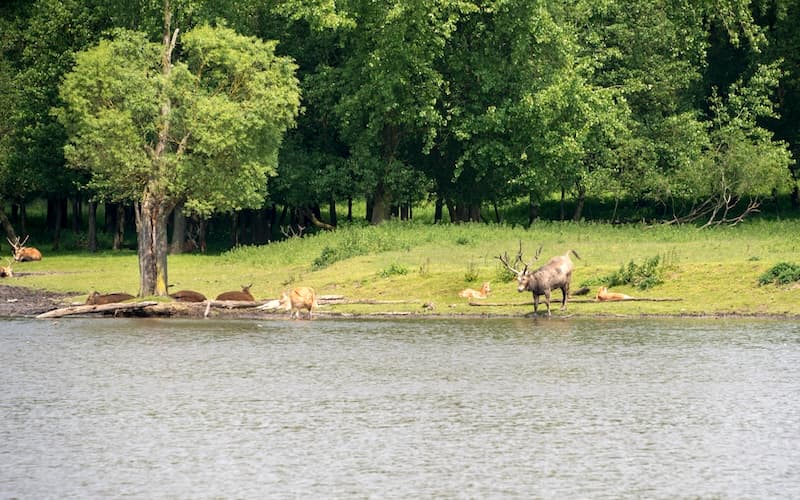
- Deer are most active at dawn and dusk and prefer areas with dense cover near open fields.
- Birds like ducks and geese can be found in wetland areas.
- Smaller game like rabbits and squirrels favor brushy undergrowth or wooded areas.
- Look for signs of wildlife such as tracks, droppings, or gnawed vegetation.
- Pay attention to seasonal changes, as they influence the behavior and location of many animals.
Selecting the Right Tools
Choosing the right tools for hunting and trapping is essential.
- Firearms, such as rifles and shotguns, are the most versatile for hunting. A .22-caliber rifle is ideal for small game, while larger calibers suit big game like deer.
- Bows and crossbows are quieter alternatives for areas where firearms aren’t an option.
- Trapping tools include foothold traps, snares, and conibear traps, each suited for specific types of animals.
- Ensure all tools are in good condition and appropriate for the species you’re targeting.
Mastering Trapping Techniques
Trapping is efficient as it works while you focus on other tasks. The key is proper placement and bait selection.
- Place traps along animal trails, near water sources, or at burrow entrances.
- Snares are effective for small game and can be made using wire or paracord.
- Conibear traps are ideal for water-dwelling animals like muskrats or mink.
- Set multiple traps in various locations and check them regularly to increase success rates.
Stealth and Patience in Hunting
Successful hunting requires a combination of stealth, patience, and sharp observation skills.
- Avoid making noise or sudden movements that alert prey.
- Wear clothing that blends with your surroundings and masks your scent.
- Use natural blinds like bushes or fallen trees to observe animals without being seen.
- Move slowly and quietly while tracking game, watching for signs like broken branches or fresh tracks.
- Patience is key—wait for the right moment to ensure a clean, ethical kill.
Processing Your Game
Once you’ve made a kill or caught an animal, processing it quickly and efficiently is essential.
- Field-dress the animal to remove internal organs, preserving the meat and reducing spoilage.
- For larger game, quarter the animal for easier transportation.
- Smaller game like rabbits or squirrels can be skinned and cleaned on the spot.
- Save useful parts such as fur or feathers for clothing, insulation, or crafting tools.
Preserving Meat for Long-Term Use
Preserving your catch is crucial for long-term survival.
- Smoking and drying meat are reliable methods. Build a smoking rack over a low fire and hang thin strips of meat to dry.
- If you have access to salt, curing is another excellent option. Rub the meat with salt and store it in a cool, dry place.
- Preserved meat provides a steady food source when fresh kills are scarce.
Conclusion
Hunting and trapping are timeless skills that foster independence and connect you to the natural world. By understanding animal behavior, choosing the right tools, and mastering essential techniques, you can secure a reliable food source even in the most challenging conditions.
With practice, preparation, and patience, you’ll be equipped to turn the wilderness into an opportunity for survival and self-reliance.