
How to Create Safe Zones in Urban and Rural Areas
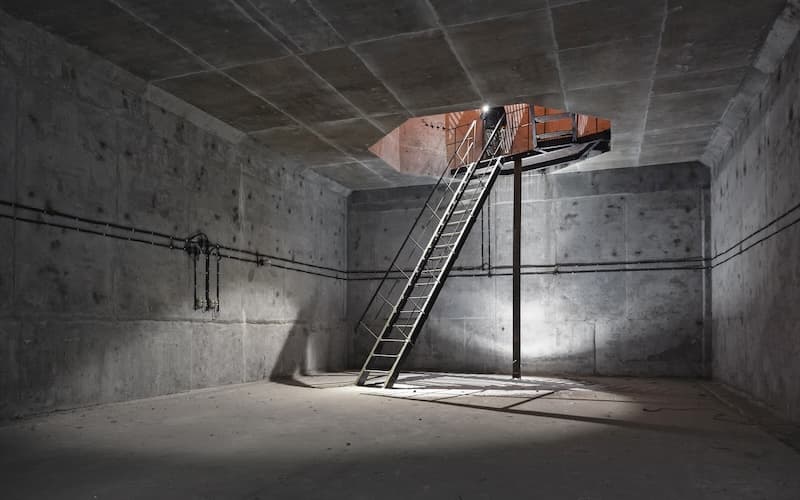
In a world where uncertainty is the norm, having a safe zone—whether in an urban or rural setting—can mean the difference between vulnerability and security. A safe zone is a designated area where you and your family can gather, stay protected, and plan your next steps during emergencies. While most people focus on traditional safety measures like alarms or weapons, building a secure zone requires careful thought, strategic preparation, and often overlooked tactics.
Characteristics of a Safe Zone
A safe zone isn’t just any location—it’s a well-thought-out area designed to protect against threats, provide privacy, and ensure survival during extended crises. The ideal safe zone must have strong visibility, controlled access, and a reliable supply of essentials like water, food, and communication tools. For urban and rural areas alike, the right preparation can turn even the most vulnerable spots into fortified shelters.
Building a Safe Zone in Urban Areas
Urban environments present unique challenges, such as high population density, limited space, and greater exposure to human threats.
- Identify a space in your home, such as a basement or interior room with no windows, to serve as a shelter. These areas provide protection from debris, outside visibility, and some chemical or biological threats.
- Reinforce doors with heavy-duty locks or braces and add blackout curtains to conceal your activities.
- Store essential supplies like non-perishable food, water, first-aid kits, flashlights, extra batteries, and a solar-powered phone charger. Include a two-way radio for communication during cell tower outages.
- Install air filtration systems or portable air purifiers to handle smoke, toxins, or dust.
- Plan escape routes and map out local resources like hospitals or police stations for support during emergencies.
Building a Safe Zone in Rural Areas
Rural settings offer more space and privacy but come with challenges like slower emergency response times and limited infrastructure.
- Create a dedicated safe zone within your home or an external structure like a reinforced shed or bunker. Fortify doors and windows to protect against natural and human threats.
- Install motion-activated lights or cameras around your property, and use defensive landscaping like thorny bushes to deter intruders.
- Ensure water access with a filtration system or large potable water containers. A rainwater collection system can serve as a backup source.
- Stock non-perishable food, medical supplies, and tools for basic repairs or first aid.
- Use natural barriers like trees or artificial barriers like fencing to camouflage your safe zone and reduce its visibility from roads or nearby properties.
Blending Technology with Preparedness
Regardless of your location, modern technology can enhance your safe zone’s effectiveness.
- Install solar panels or a small generator to maintain power during grid outages.
- Equip your safe zone with GPS devices and offline maps for navigation when communication systems fail.
- Use surveillance systems with remote access to monitor your property in real time.
- Download emergency apps that provide real-time updates on weather, civil unrest, or other potential dangers.
Maintaining and Testing Your Safe Zone
A safe zone is only as good as its readiness. Regular maintenance and testing are essential.
- Inspect supplies regularly to ensure nothing is expired or damaged.
- Test all systems, including locks, air filtration, and backup power sources, to confirm they function properly.
- Practice drills with your family to familiarize everyone with the safe zone’s location, access points, and emergency protocols.
- Simulate different scenarios, such as fires, natural disasters, or intruder situations, to ensure everyone knows their roles and feels confident during emergencies.
Conclusion
Safe zones provide a secure space to regroup, plan, and stay safe during crises, but they require careful planning and regular maintenance. From fortifying entry points to stocking essential supplies and leveraging technology, every detail counts.
Preparedness isn’t about fear—it’s about control. By building and maintaining a safe zone, you’re taking an active role in ensuring your safety and resilience, no matter the situation.