
Choosing the Right Boots for Outdoor Survival
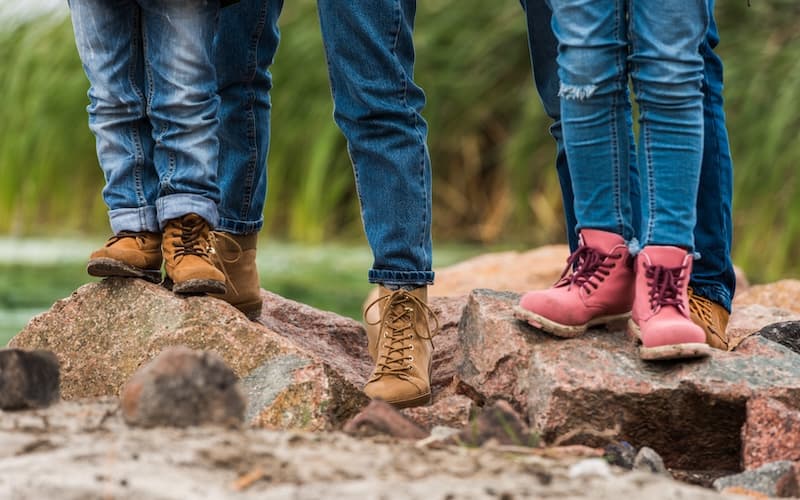
Having the right boots is just as crucial as any other piece of gear when it comes to outdoor survival. Your boots are your foundation, protecting your feet while ensuring you can navigate rugged terrain, harsh weather, and unexpected challenges. Choosing the wrong pair can lead to discomfort, injuries, or even jeopardize your survival. A well-chosen pair of boots is your lifeline that supports every step you take in the wilderness.
Prioritize Durability and Materials
Durability is non-negotiable for survival boots. High-quality leather, particularly full-grain leather, is a top choice for its water resistance, breathability, and ability to mold to your feet over time. Modern boots often incorporate synthetic materials like nylon or Gore-Tex, which provide excellent waterproofing while reducing weight.
- Pay attention to the outsole material, such as Vibram soles, for superior durability and grip on various terrains.
- Little-Known Tip: Look for boots with reinforced toe caps and midsoles for added protection and support.
Focus on Fit and Comfort
Comfort is critical when you’re on your feet for hours—or days—at a time. A proper fit prevents blisters, hotspots, and fatigue. Always try on boots with the same socks you plan to wear outdoors, as thicker survival or wool socks can affect sizing. Your toes should have enough room to wiggle, and your heel should remain snug to avoid slipping.
- Break in your boots before heading into the field to soften the materials and ensure a comfortable fit.
- Little-Known Tip: Choose boots with a removable insole for customizable comfort and support.
Waterproofing and Breathability
Survival boots must strike a balance between waterproofing and breathability. Waterproof boots are essential for wet or snowy conditions, but poor ventilation can lead to sweaty feet, increasing the risk of blisters and infections.
- Gore-Tex and other breathable waterproof membranes allow moisture to escape while keeping water out.
- For hot, dry environments, consider boots with enhanced ventilation to keep your feet cool.
- Little-Known Tip: Reapply a waterproofing treatment regularly to maintain the boots’ integrity over time.
Traction and Sole Design
Traction can mean the difference between steady footing and a dangerous fall. The outsole’s tread pattern and rubber compound play a significant role in ensuring stability on wet, muddy, or rocky surfaces.
- Aggressive lug patterns offer better grip in challenging terrain, while flatter designs may suit smoother surfaces.
- Look for boots with a shank for added stability and reduced foot fatigue during heavy loads.
- Little-Known Tip: Some boots feature self-cleaning treads to prevent mud and debris buildup, maintaining optimal traction.
Boot Height and Ankle Support
The height of your boots can impact both mobility and protection. Mid-height boots balance flexibility and support, while high-cut boots provide superior ankle support and protection against debris, water, and insects.
- High-cut boots are ideal for rugged or unpredictable environments but may restrict mobility and increase weight.
- Little-Known Tip: Lace-locking systems in higher boots prevent feet from sliding forward during downhill hikes, reducing strain on toes.
Insulation for Cold Weather
If you’re venturing into cold climates, insulated boots are a must. Materials like Thinsulate or PrimaLoft provide warmth without excessive bulk.
- Check the temperature rating to ensure the insulation matches your environment.
- Opt for removable liners if you’ll be transitioning between different climates.
- Little-Known Tip: Combine insulated boots with wool socks for maximum warmth and moisture-wicking capabilities.
Maintenance and Longevity
Proper care extends the life of your boots and ensures they perform when it matters most.
- Clean your boots after each use to remove dirt and debris that can degrade the materials.
- Use leather conditioner or waterproofing treatments regularly to maintain durability.
- Store boots in a cool, dry place to prevent cracking or mold.
- Little-Known Tip: Replace laces and insoles as needed to keep your boots functioning like new without a full replacement.
Conclusion
Choosing the right boots for outdoor survival is more than a matter of comfort—it’s a critical decision that directly impacts your safety, mobility, and endurance. Prioritize durable materials, a proper fit, and features suited to your environment to ensure you’re prepared for any challenge. The right boots will be a dependable ally, supporting you through both outdoor adventures and survival situations.