
Building a Survival Shelter in Any Environment
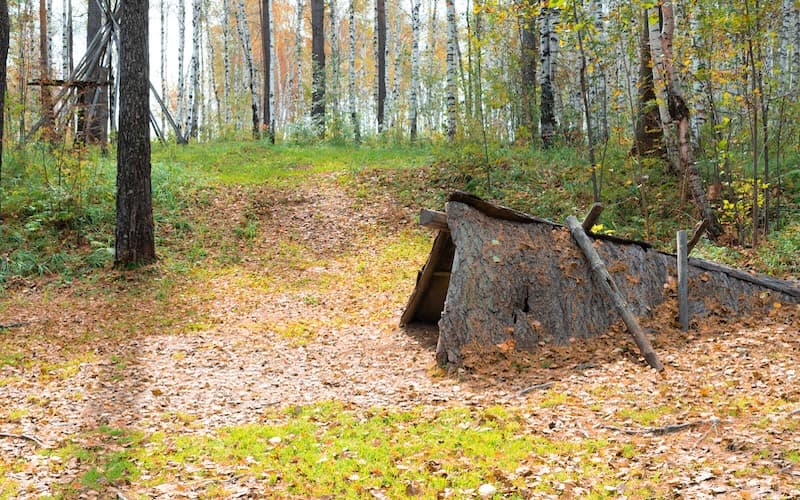
When faced with the unpredictability of the wild, building a survival shelter is one of the most important skills you can master. A well-constructed shelter provides protection from the elements, regulates body temperature, and offers a safe space to rest. Whether you’re in a dense forest, arid desert, or snowy terrain, knowing how to adapt your approach to the environment is key to survival.
Choosing the Right Location
Selecting the right location is the first step in building a survival shelter. Avoid low-lying areas prone to flooding or spots directly exposed to wind. Look for natural protection like rock overhangs, dense vegetation, or tree lines that can shield you from the elements.
- In hot climates, prioritize shade; in cold climates, focus on areas that block wind and retain heat.
- Check the ground for dryness and ensure it’s free of hazards like sharp rocks, ants, or poisonous plants.
- Maintain a safe distance from water to avoid flooding while staying close enough for access to drinking and cooking.
- Observe the area for wildlife activity and avoid animal trails or burrows.
Forest Shelters
Forests offer abundant resources for shelter-building. A simple lean-to is one of the quickest and most effective designs.
- Prop a sturdy branch or pole between two trees to form a ridgepole.
- Lean smaller branches against one side of the ridgepole to create the frame and cover it with leaves, grass, or pine boughs for insulation.
- Build a debris hut by piling natural materials like leaves and moss over the frame for additional insulation.
- Use bark or large leaves as shingles to improve water resistance during heavy rain.
Desert Shelters
In desert environments, your primary focus is shade and reducing heat exposure.
- Use a tarp shelter or improvised shade structure with large branches, dry vegetation, or rocks.
- For overnight stays, dig a trench shelter by excavating a shallow pit and covering it with branches or leaves.
- Use reflective materials like foil blankets to deflect heat and create a cooler microclimate during the day.
Snow Shelters
Snowy environments present unique challenges but also offer insulating properties.
- Build a snow trench shelter by digging a narrow trench and covering it with branches or a tarp.
- Create a quinzee—a dome-shaped snow shelter—by piling up snow, letting it settle, and hollowing out the interior.
- Leave a vent hole at the top to prevent carbon dioxide buildup.
- Use evergreen boughs as flooring to keep you off the icy ground.
Jungle Shelters
Jungles are humid, wet, and teeming with insects, making an elevated shelter crucial.
- Build a raised platform from sturdy branches and lash it together with vines or rope.
- Add a roof of large leaves, such as banana leaves, for rain protection.
- Look for natural overhangs or large tree roots to adapt into part of your shelter.
- Prioritize ventilation to reduce condensation and overheating.
Urban Shelters
In urban survival scenarios, finding pre-existing structures to repurpose is often your best bet.
- Use abandoned buildings, vehicles, or overpasses for immediate shelter.
- Reinforce these spaces with tarps, cardboard, or debris to create windbreaks and insulation.
- If no structures are available, improvise with materials like plastic sheeting, pallets, or discarded furniture.
- Avoid unstable structures and ensure your shelter provides a safe escape route.
General Shelter Tips
No matter the environment, a few universal principles apply to all survival shelters.
- Prioritize insulation, whether against heat or cold.
- Ensure your shelter is sturdy enough to withstand wind or rain.
- Keep your fire close but not too close to prevent smoke inhalation and fire hazards.
- Reinforce your shelter for longer stays by adding insulation, waterproofing, or reinforcing the frame.
Conclusion
Building a survival shelter is about adaptability and resourcefulness. Whether you're in a dense forest, an arid desert, snowy terrain, or an urban landscape, the principles of location, insulation, and stability are universal. With the right knowledge and skills, you can create a safe haven in any environment. Master these techniques, and you’ll be ready to face whatever challenges the wilderness throws your way.