
Building a Survival Cache: What to Store and Where to Hide It
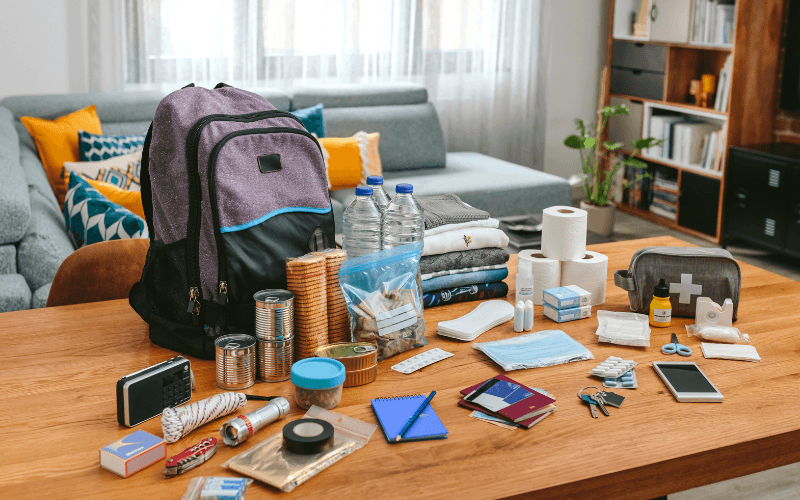
Emergencies rarely announce themselves in advance. Whether it’s a natural disaster, civil unrest, or any unexpected crisis, having a survival cache can make all the difference. A survival cache is your secret stash of essential supplies, hidden and ready to sustain you when the unexpected strikes. Building an effective cache requires careful planning, smart storage, and strategic hiding. Let’s explore how to create a survival cache with little-known tips that can give you a significant edge when it matters most.
What Is a Survival Cache and Why Do You Need One
A survival cache is a hidden collection of supplies designed to support you during emergencies. Unlike your main storage at home, a cache serves as a backup if your primary resources become inaccessible, compromised, or depleted.
Why is it essential? In a crisis, access to supplies can be unpredictable. Roads may be blocked, stores emptied, or your home unsafe. A well-placed survival cache ensures you’re not caught unprepared.
Survival caches also provide peace of mind. Knowing you have extra resources tucked away gives you flexibility and security, whether you need to stay mobile, shelter in place, or recover after an emergency.
What to Store in Your Survival Cache
- Food and Water
- What to Store: Freeze-dried meals, energy bars, and vacuum-sealed nuts.
- Pro Tip: Include water purification tablets or a small UV water purifier, like the SteriPen, to ensure safe drinking water. Store small, collapsible water containers for portability.
- Medical Supplies
- What to Store: A first-aid kit with bandages, antiseptics, and pain relievers.
- Lesser-Known Additions: Oral rehydration salts for dehydration and temporary wound closure devices like skin glue or butterfly closures.
- Tools and Gear
- What to Store: Multitools, fire starters, duct tape, and lightweight tarps for emergency shelters.
- Pro Tip: Pack gear with multiple uses, like heavy-duty contractor garbage bags that can serve as ponchos, water carriers, or insulation.
- Self-Defense Items
- What to Store: Ammunition (if applicable), pepper spray, or compact self-defense tools.
- Tip: Choose items appropriate for your environment and legal considerations.
- Clothing and Footwear
- What to Store: Weather-appropriate layers and durable footwear.
- Pro Tip: Include wool socks and a thermal blanket—wool retains warmth even when wet.
- Cash and Documents
- What to Store: Small denominations of cash and waterproof copies of essential documents like IDs, insurance information, and medical records.
- Bonus: Add an encrypted USB drive with scanned copies of your documents.
Choosing the Right Storage Method
- Durable Containers
- Options: Food-grade buckets with airtight lids, PVC pipes sealed with caps, or ammo cans.
- Pro Tip: PVC pipes are excellent for underground caches—they’re waterproof, discreet, and easy to bury.
- Protect Against Moisture and Pests
- Add desiccants to absorb humidity and prevent mold. Vacuum-seal items whenever possible.
- Wrap supplies in Mylar bags for an added layer of protection.
Where to Hide Your Survival Cache
- On Your Property
- Ideas: Bury it under landscaping features, like decorative rocks or garden beds. Hide it in crawl spaces, behind walls, or in unused chimneys.
- Avoid: Obvious spots like under the porch or shed.
- Off-Property Locations
- Ideas: Secluded wooded areas, remote parks, or rarely used structures like old barns.
- Pro Tip: Choose locations that are stable, dry, and not prone to flooding. Use natural landmarks to remember the spot.
- Urban Hiding Spots
- Ideas: Rented storage units, abandoned lots, or unused storm drains.
- Caution: Ensure these spots are discreet and legally accessible.
- Multiple Locations
- Spread your supplies across several caches to ensure redundancy. If one cache is compromised, others remain intact.
- Tip: Use coded maps or GPS markers to track your locations without drawing attention.
Security Tips for Your Cache
- Concealment: Avoid markers like flags or stakes that could give away your cache. Instead, camouflage it with natural surroundings.
- Blend In: Use containers that don’t look suspicious. For example, a fake rock or hollowed log could conceal small caches.
- Routine Checks: Inspect your cache periodically to replace expired items and check for damage.
Common Mistakes to Avoid
- Poor Location Choices: Don’t hide your cache in flood-prone or high-traffic areas.
- Overloading: Avoid making the cache too heavy or bulky—it should be easy to retrieve and transport.
- Lack of Redundancy: Relying on a single cache increases the risk of losing all your supplies if it’s discovered or destroyed.
Conclusion
A survival cache isn’t just about storing supplies—it’s about creating a backup plan that gives you flexibility and control in unpredictable situations. Start small, focus on essential items, and choose your hiding spots wisely. Remember, it’s not just about surviving—it’s about being prepared for anything.
Begin building your survival cache today. The peace of mind you gain will be worth every effort. Where will you hide yours? Share your ideas and tips to help others stay prepared!