
Bartering and Stockpiling Tips for Crisis Situations
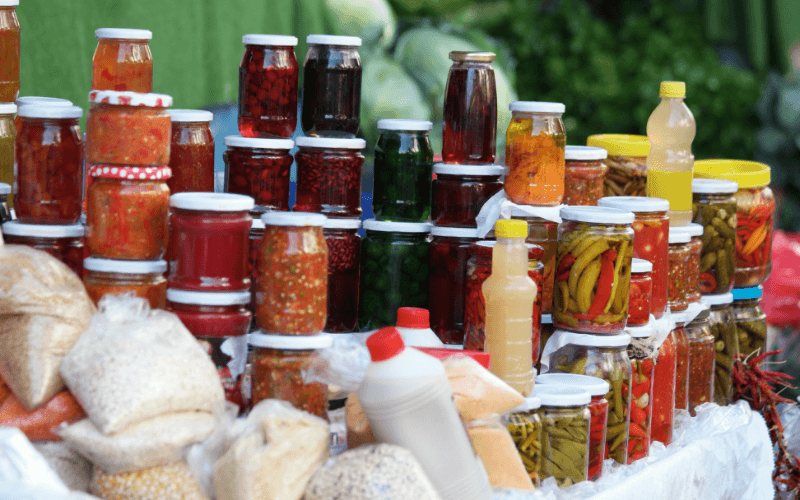
Imagine a world where cash is no longer king. Where survival depends not on what’s in your wallet but on what you have to trade. It might seem far-fetched, but history and current events remind us that bartering is one of the oldest and most reliable systems of exchange. Whether it’s a prolonged economic collapse, a natural disaster, or a disruption in supply chains, knowing how to barter and what to stockpile can make the difference between thriving and just scraping by. In this guide, we’ll explore the essential and little-known items that hold high value in a barter economy, as well as strategies to ensure you get the most from every trade.
What Is Bartering and Why Does It Matter
Bartering is the direct exchange of goods or services without the use of money. While it might sound outdated, bartering has played a critical role during times of crisis, such as the Great Depression and Germany’s hyperinflation in the 1920s. In these situations, people traded food, clothing, and skills to meet their needs when currency lost its value.
In a prolonged emergency, bartering builds resilience within communities. It creates networks of trust and ensures that vital resources circulate among those who need them most. When cash is worthless, essentials like food, medicine, and even comfort items become the new currency.
For a deeper dive into the history of bartering, check out this article on the barter system.
Essential Items to Stockpile for Bartering
-
Food and Water
Food and clean water are non-negotiable for survival, making them highly valuable in a barter economy. Long-shelf-life items such as rice, honey, and peanut butter are ideal for stockpiling. Unlike many perishables, these foods last years without refrigeration. Water purification tablets and portable filtration systems are equally valuable, as they enable others to make unsafe water drinkable. Remember, in any crisis, water quickly becomes more precious than gold.
-
Medical Supplies
Over-the-counter medications like ibuprofen, antacids, and antihistamines are often overlooked but are incredibly sought after in emergencies. Basic first-aid supplies, including bandages and antiseptics, are essential as well. A little-known but invaluable item is oral rehydration salts, which can save lives in cases of dehydration from illness or heat. People often underestimate the importance of medical supplies until they desperately need them.
-
Fuel and Energy Sources
Propane tanks, firewood, and charcoal are practical items that can be easily bartered. Batteries—especially the universally used AA and AAA sizes—are another high-demand commodity. Solar-powered chargers and hand-crank flashlights are lightweight, durable, and worth their weight in gold during a prolonged power outage.
Unconventional Items With High Barter Value
-
Luxury and Comfort Goods
Cigarettes and alcohol, even for non-users, are excellent trade items because they satisfy cravings and boost morale. Small bottles of whiskey or vodka are particularly useful for trading because they’re easy to store and transport.
Coffee, tea, chocolate, and spices may seem like luxuries now, but in a crisis, they’re powerful tools for building goodwill and securing other essentials.
-
Hygiene Products
Toilet paper became a global punchline during the COVID-19 pandemic, but it’s a critical item to stockpile for barter. Bar soap, toothpaste, and feminine hygiene products also become hot commodities in prolonged emergencies. Wet wipes, which serve multiple purposes, are highly practical and easy to store.
-
Tools and Repair Supplies
Duct tape, nails, and sewing kits might not seem glamorous, but they’re invaluable when things need fixing and replacements aren’t available. Multitools and repair kits for clothing or gear hold significant barter value because they enable self-reliance.
Bartering Strategies to Maximize Value
-
The Art of Negotiation
Always start with a high offer, leaving room for negotiation. Flexibility is key, but so is understanding the value of what you’re trading. Be patient and willing to walk away if the deal doesn’t feel right.
-
Know Your Market
Pay attention to what’s scarce in your area. For example, in rural communities, fuel might hold more value than hygiene items, while urban areas may prioritize medical supplies. Trade items that are useful to others but not critical to your own survival.
-
Safety First
Never reveal your entire stockpile during a barter exchange. This minimizes the risk of theft or becoming a target. Whenever possible, barter in neutral locations or bring a trusted partner to ensure safety.
Building a Barter-Ready Stockpile
When starting your stockpile, focus on small, portable items that are easy to store and distribute. Lighters, canned goods, and soap are excellent initial investments. Keep an inventory and rotate items to ensure they don’t expire. For more tips on creating a barter inventory, visit this resource on stockpiling for trade.
Real-Life Lessons From History
During the Great Depression, families traded excess produce from their gardens for tools, fabric, or other supplies they couldn’t afford. More recently, Venezuela’s economic collapse led to a resurgence in bartering, with people exchanging household goods for food and medicine. These examples demonstrate that bartering isn’t a hypothetical scenario—it’s a proven survival tactic.
Conclusion
Bartering is about more than trading goods—it’s about strategy, relationships, and foresight. The items you stockpile today could be the currency of tomorrow. Start small, focus on practical essentials and high-value luxuries, and build a barter inventory that suits your needs and community. When the time comes, knowing how to barter could mean the difference between survival and struggle. What’s in your stockpile? Share your tips and ideas to help others prepare for a cashless crisis.